
Dormer Loft Conversion Ideas: Enhancing Your Home with Practical Design
- Apr 15
- 4 min read
A dormer loft conversion is a popular way to add valuable living space to a home, especially in the East Midlands where homeowners often seek to maximise their property’s potential. This type of conversion not only increases usable floor area but also brings in natural light and improves the overall aesthetic of the loft. When planning a dormer loft conversion, it is essential to consider design ideas that balance functionality, style, and compliance with building regulations.
Exploring Dormer Loft Conversion Ideas for Your Home
Dormer loft conversions come in various styles, each suited to different property types and homeowner needs. Some of the most common dormer styles include flat roof, gable fronted, hipped roof, and eyebrow dormers. Each offers unique benefits and challenges, so selecting the right design depends on the existing roof structure and the intended use of the new space.
Flat Roof Dormer: This is the most straightforward and cost-effective option. It provides a boxy extension that maximises headroom and floor space. Ideal for creating bedrooms, offices, or bathrooms.
Gable Fronted Dormer: Featuring a pitched roof, this style blends well with traditional homes and adds character. It is slightly more complex to build but offers better weather resistance.
Hipped Roof Dormer: This dormer has sloping sides, matching the main roof’s pitch. It is aesthetically pleasing and suitable for homes with hipped roofs.
Eyebrow Dormer: A curved roof dormer that adds a subtle architectural feature. It is less common but can create a unique look.
When designing a dormer loft conversion, it is important to consider the interior layout. For example, positioning the dormer to maximise natural light can make the space feel larger and more inviting. Incorporating built-in storage solutions under the eaves can also help to utilise awkward spaces effectively.
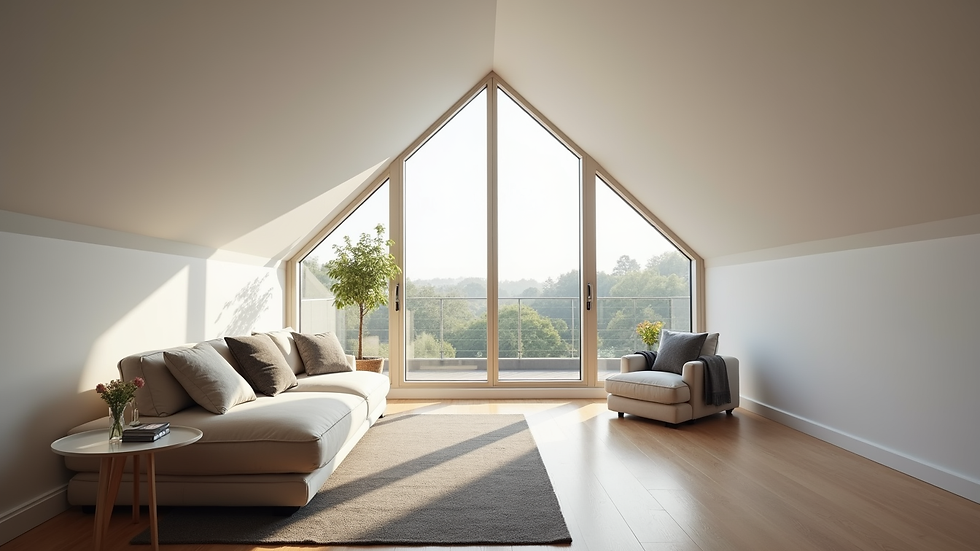
Example of a modern dormer loft conversion maximising natural light
Practical Considerations for Dormer Loft Conversion Ideas
Before proceeding with a dormer loft conversion, several practical factors must be addressed to ensure the project runs smoothly and meets all necessary standards.
Planning Permission and Building Regulations
In many cases, dormer loft conversions require planning permission, especially if the extension affects the external appearance of the property or exceeds certain size limits. It is advisable to consult with local planning authorities in Nottinghamshire or the wider East Midlands to understand specific requirements.
Building Regulations approval is mandatory for loft conversions to ensure safety, structural integrity, fire protection, insulation, and ventilation standards are met. Engaging a professional architectural design service can help homeowners navigate these requirements efficiently.
Structural Considerations
Adding a dormer involves altering the roof structure, which may require additional support beams or reinforcement. Structural calculations are essential to confirm that the existing framework can support the new load. This step is critical to avoid costly issues during construction.
Maximising Space and Light
The primary goal of a dormer loft conversion is to create usable space. To achieve this, the design should focus on:
Increasing head height to make the room comfortable.
Installing large windows or skylights to enhance natural light.
Creating an open-plan layout where possible to avoid cramped spaces.
Energy Efficiency
Modern loft conversions should incorporate energy-efficient materials and insulation to reduce heat loss. This not only improves comfort but also helps homeowners comply with Building Regulations.
What are the common problems with loft conversions?
While dormer loft conversions offer many benefits, there are common challenges that homeowners should be aware of:
Limited Headroom: Older properties may have low roof pitches, restricting usable space. Careful design is needed to maximise head height.
Planning Restrictions: Some areas have strict planning rules that limit the size or style of dormers.
Structural Issues: Unexpected structural weaknesses can arise, requiring additional work and expense.
Access and Staircase Design: Installing a staircase to the loft can be tricky, especially in smaller homes. The staircase must comply with safety standards and fit within the existing floor plan.
Cost Overruns: Without detailed planning and professional guidance, costs can escalate due to unforeseen complications.
Addressing these issues early in the design phase with expert advice can save time and money.

Interior view showing staircase access and dormer window in a loft conversion
Enhancing Functionality with Thoughtful Dormer Loft Conversion Designs
To make the most of a dormer loft conversion, homeowners should consider how the space will be used and tailor the design accordingly. Here are some practical ideas:
Home Office: Incorporate built-in desks and shelving. Position windows to reduce glare on screens.
Bedroom: Use dormer windows to create cosy alcoves for beds or seating areas. Add storage solutions like wardrobes or drawers under sloping ceilings.
Bathroom: Ensure adequate ventilation and waterproofing. Skylights can add natural light without compromising privacy.
Playroom or Hobby Space: Open layouts with durable flooring and plenty of light make the space versatile.
In all cases, attention to detail in finishes, lighting, and heating will enhance comfort and usability.
Working with Professionals for a Smooth Project
A successful dormer loft conversion requires collaboration with experienced professionals. Architectural designers provide detailed drawings that meet planning and Building Regulations requirements. Structural engineers ensure the building’s safety, while builders bring the design to life.
Homeowners in the East Midlands can benefit from local expertise that understands regional planning policies and construction practices. This local knowledge helps avoid delays and ensures the project complies with all regulations.
For those seeking inspiration and technical guidance, exploring dormer loft conversion designs can provide valuable insights into what is achievable within typical budgets and property types.
Maximising Value and Enjoyment from Your Dormer Loft Conversion
A well-designed dormer loft conversion not only adds space but also increases the property’s market value. By choosing designs that complement the existing architecture and meet modern living standards, homeowners can enjoy a comfortable, functional space for years to come.
Investing in quality materials, professional design, and careful planning ensures the conversion is a worthwhile addition. Whether creating a new bedroom, office, or leisure area, the right dormer loft conversion ideas can transform an underused attic into a valuable asset.
By considering these design ideas and practical tips, homeowners can approach their dormer loft conversion projects with confidence and clarity, ensuring a successful transformation that enhances both their living space and property value.


Comments